



Quantitative Methods
In quantitative methods, we offer courses primarily focused on quantitative, (but also on qualitative,) statistical methods in psychology. These courses are available for undergraduate students in the BSc program, including Statistics I & II, Research Methods, and various research internships. Additionally, advanced and specialized courses are offered in the MSc program, covering topics such as multivariate methods and specialized courses.
The objective is to provide a comprehensive overview of essential knowledge and skills crucial for psychologists in practice. These skills are in high demand, and the courses aim to equip students with the ability to develop new content and acquire relevant methodological skills. This approach is applied across both BSc and MSc programs.


Psychological Assessment
Psychological Assessment shares similar objectives. Building upon the foundational content of the BSc program, which includes an overview of test theory and key areas of Psychological Assessment, the goal is to cultivate a well-founded and critical attitude towards various psychological measurement procedures.
In the MSc program, the emphasis shifts towards the practical application of Psychological Assessment. This includes areas such as test construction, precise knowledge, and the application of psychological test and measurement procedures. A distinctive aspect of the education in test construction and Psychological Assessment at the University of Graz is the inclusion of specialized knowledge about innovative methods in test construction and Psychological Assessment.
Research Areas
The research areas in our field are correspondingly innovative, covering a broad spectrum. This includes the application and further development of modern evaluation methods, such as item response theory (IRT) and complex multivariate procedures. Additionally, we explore contemporary test administration methods like computerized adaptive testing (CAT) and advanced test construction techniques like automatic item construction (AIG). We also delve into the use and modification of generative AI for psychological assessment purposes.
Our work is closely tied to practical applications, with our research results actively influencing various domains. For instance, our findings play a role in the admission procedures of medical universities in Austria (MedAT) and are applied in talent centers such as TA.C of WKO Styria, TA.C of HK Bolzano, and others.


BSc, MSc and PhD theses
Thesis topics for BSc, MSc, and PhD are derived from our research focuses. An interest in psychological assessment and/or applied-methodological issues is desirable.
However, we are also open to suggestions from our students for thesis topics. Our section can potentially supervise any topic where methodological aspects play a significant role.
Feel free to reach out to your preferred first supervisor, be it Prof. Arendasy or Prof. Freudenthaler, for further guidance.
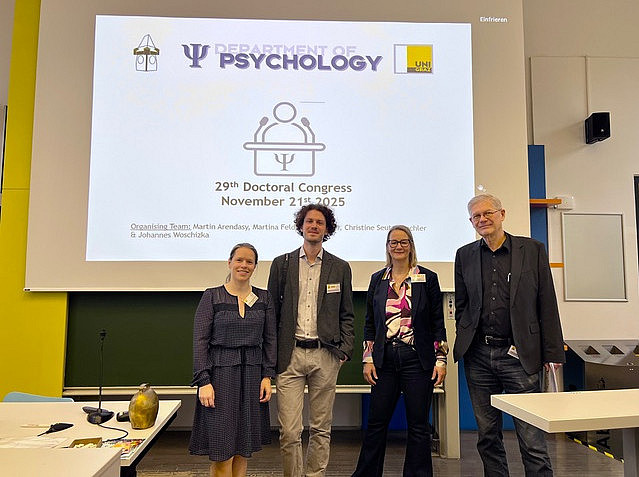
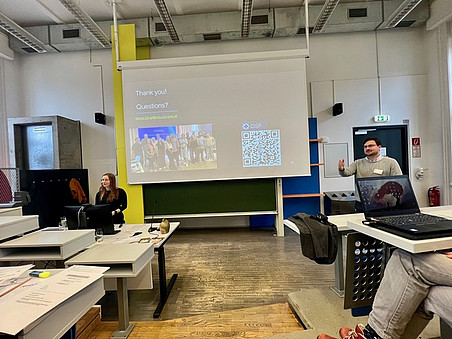
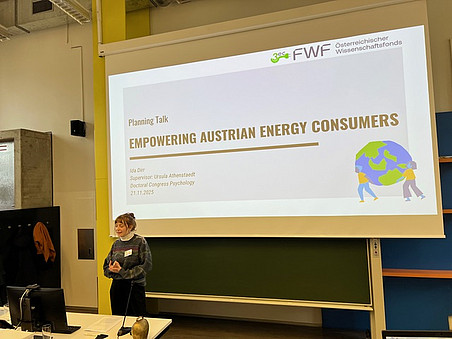
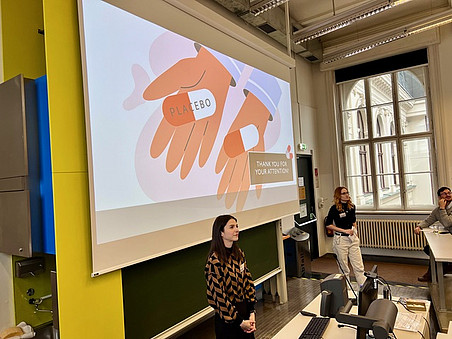
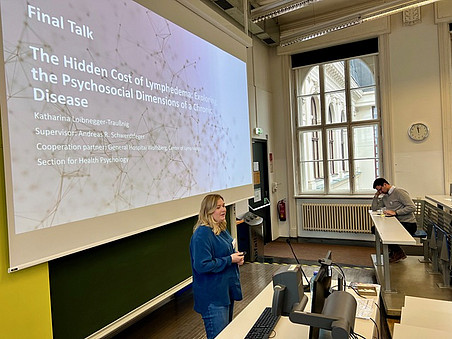
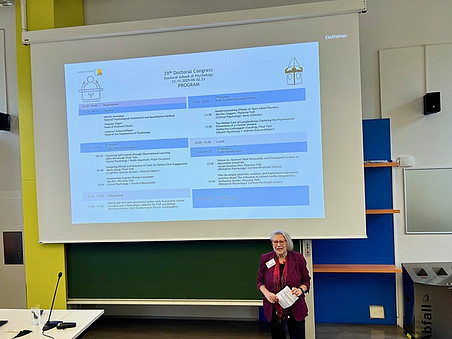
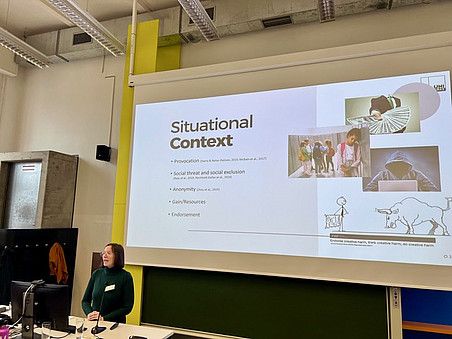
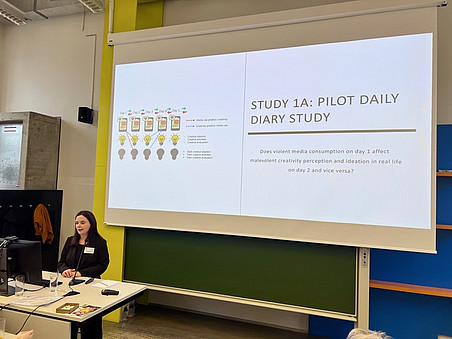
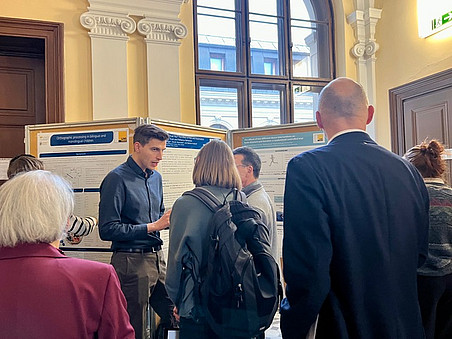
NEWS - 29th Doctoral Congress of the Institute of Psychology on November 21st, 2025.
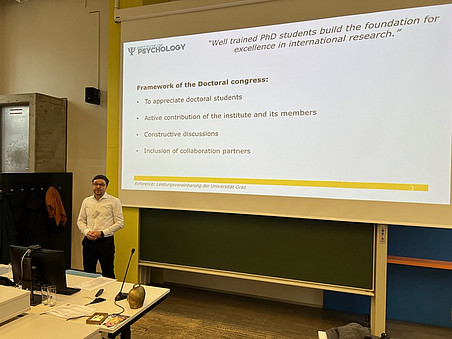
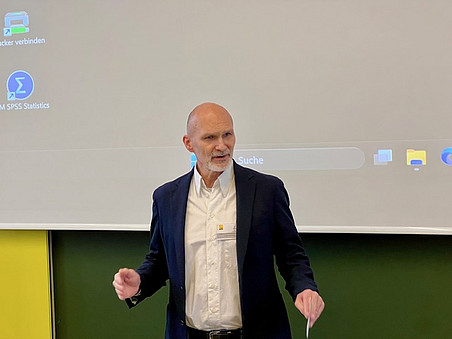
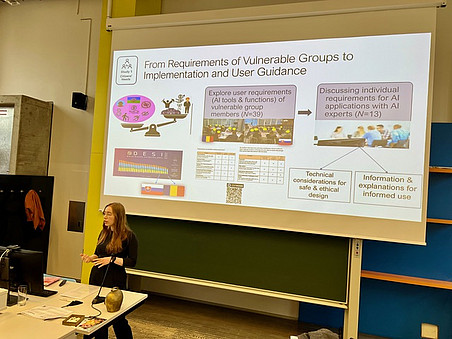
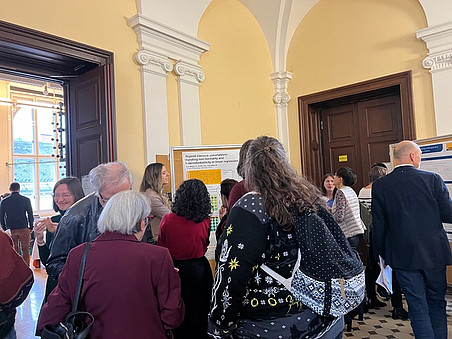
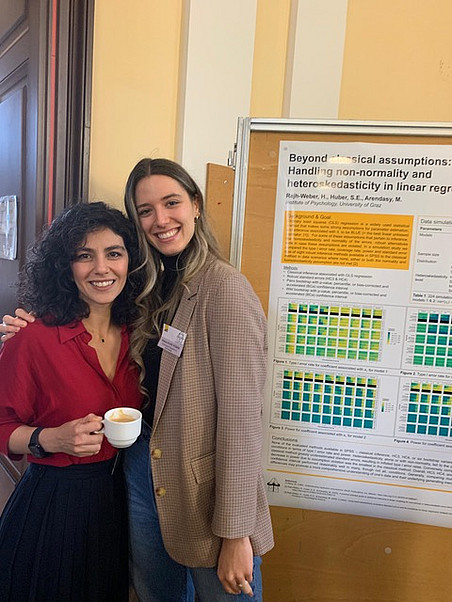
On November 21st, 2025, the 29th Doctoral Congress took place at the Institute of Psychology, organised by the Department of Psychological Assessment and Qantitative Methods (Martin Arendasy, Martina Feldhammer-Kahr, Christine Seuter-Bachler and Johannes Woschizka). The doctoral students were able to present their plans and results in lectures, and the interim results were discussed in the form of posters during a poster session in a stimulating environment. The exciting guest lecture on the topic of data management was held by Bernhard Weber, Karl Koschutnig and Florian Schöngaßner.
Styrian governor visits the talent center in Bolzano
Bolzano - On the occasion of the Austrian National Day on 26 October, Styrian Governor Mario Kunasek visited the Talent Center of the Bolzano Chamber of Commerce today. He was accompanied by the Austrian Consul General in Milan, Wolfgang Lukas Strohmayer. The Talent Center makes a significant contribution to the training and career guidance of South Tyrolean secondary school pupils.
Tuesday, 28 October 2025 (South Tyrol News; mk)


50,000th talent check completed at the Styrian Economic Chamber's talent centre
The Styrian Economic Chamber's talent centre is celebrating a special anniversary: the 50,000th talent check was carried out with the visit of the 4D of the BG/BRG Kapfenberg.
25 September 2025
Father of the medical entrance test: "You also need a lot of stamina during your studies"
Psychologist Martin Arendasy believes the test is "fair and meaningful" and that expensive preparation courses are not necessary. He rejects a stronger emphasis on social skills.
The infamous "Med-AT", the big annual entrance test for state medical degree programmes in Vienna, Graz, Linz and Innsbruck, will take place again on Friday. This year, there are almost 16,000 applicants for 1,900 places across Austria, meaning that there are around eight applicants for every place.
Nobody knows the test as well as Martin Arendasy. The psychology professor at the University of Graz played a leading role in developing the Med-AT more than a decade ago and continues to oversee it with his team to this day.
Martin Arendasy (63) is a professor of psychology at the University of Graz, specialising in psychological measurement methods. Since the beginning of 2013, he has been significantly involved in the conception, creation and scientific evaluation of the Medical Admission Test (Med-AT) for public medical universities in Austria. His research work on the Med-AT, which is cited in the interview, is listed here.
Interview with Theo Anders, DerStandard (04.07.2025)
Another big rush for medical entrance test
Thousands apply again for a place to study medicine
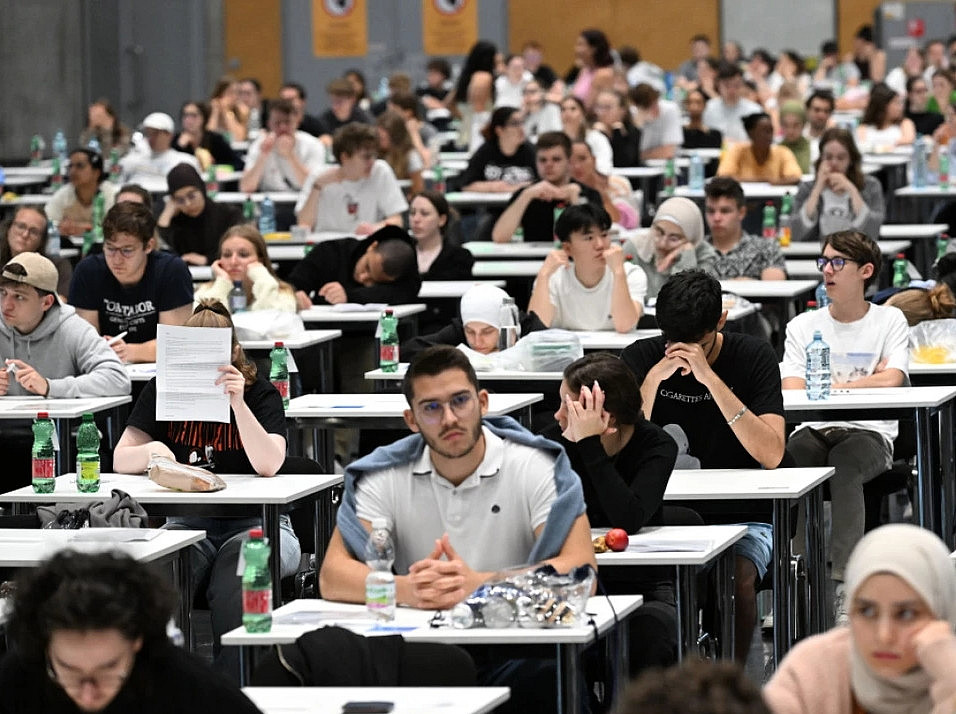
Almost 12,400 people took part in the entrance test for medical studies on Friday. They applied for one of 1,900 places at the medical universities of Vienna, Innsbruck and Graz or at the Faculty of Medicine at the University of Linz. Expensive preparatory courses were not recommended. These would not improve the chances of gaining a place, emphasised Anita Rieder, Vice-Rector for Teaching at the Medical University of Vienna.
Originally, 15,668 people had registered for the written exam, which lasts around eight hours and is standardised throughout Austria. As in previous years, around 80 per cent actually took part in the test. The so-called MedAT primarily tests knowledge from subjects relevant to medicine (primarily biology, chemistry, physics, mathematics) and cognitive skills (including memory, recognising implications). Ten per cent of the result depends on the text comprehension part of the test, just as much on the recognising emotions and social decision-making part.
(Südtirol News, Friday, 04 July 2025, by: apa)
NEWS - A Styrian success story goes international: Talent Center Bolzano opens
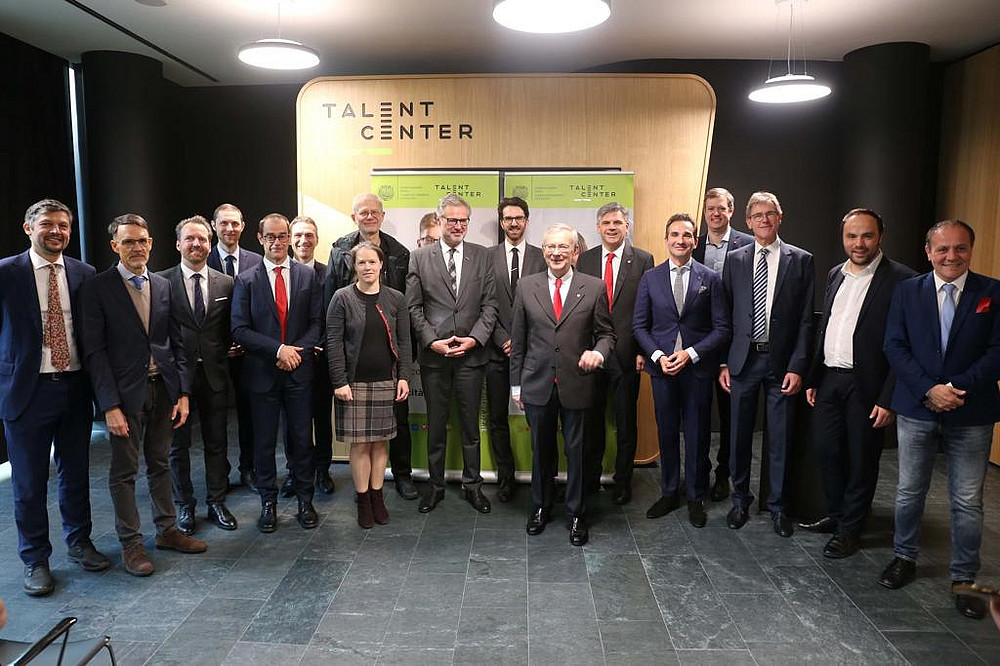
The new Talent Center of the Bolzano Chamber of Commerce (South Tyrol) was officially inaugurated on November 17.
In attendance were WKO Director Karl-Heinz Dernoscheg and numerous experts in the field.
The establishment of the Talent Center in Bolzano is part of a broader collaboration inspired by the Styrian model.
November 21, 2023
NEWS - Full text
Bolzano - On the occasion of the Austrian National Day on 26 October, Styrian Governor Mario Kunasek visited the Talent Center of the Bolzano Chamber of Commerce today. He was accompanied by the Austrian Consul General in Milan, Wolfgang Lukas Strohmayer. The Talent Center makes a significant contribution to the training and career guidance of secondary school pupils in South Tyrol.
Mario Kunasek, Governor of Styria, visited the Talent Center of the Bolzano Chamber of Commerce together with the Austrian Consul General in Milan, Wolfgang Lukas Strohmayer, to discuss the work of the Talent Centre, the promotion of young talent and the importance of early training and career guidance with the President of the Chamber of Commerce, Michl Ebner, and the Secretary General of the Chamber of Commerce, Alfred Aberer.
The Talent Center of the Bolzano Chamber of Commerce was created following the example of the Talent Center of the Styrian Chamber of Commerce (WKO) from a cooperation between Styria and South Tyrol. In the course of this cooperation, certain test procedures were also partially newly developed and refined in collaboration with the University of Graz and the Free University of Bolzano. Both Styrian and South Tyrolean young people benefit from this further development in their career orientation.
Styrian Governor Mario Kunasek emphasised: "The close cooperation between South Tyrol and Styria shows how much we can achieve together. The Talent Center is an excellent example of how regions can learn from each other and prepare young people for their professional future in the best possible way."
"The Talent Center supports young people in discovering their strengths and setting the right course for their professional future. In this way, we create the basis for conscious training and career decisions and promote talent where it arises. The cooperation and exchange with Styria is of great mutual benefit," emphasised Chamber of Commerce President Michl Ebner.
At the Bolzano Talent Center, pupils from secondary school onwards are tested for their abilities and strengths in order to support them in their choice of studies and career. A standardised test procedure is used to identify the strengths, interests and potential of young people. Based on the results, the pupils receive important input for their future skills development, which can serve as the basis for an individual counselling session at the provincial office for training and career guidance.
The Bolzano Talent Center was implemented by the Bolzano Chamber of Commerce in close cooperation with the Styrian Chamber of Commerce, the South Tyrolean Provincial Administration's Office for Training and Career Guidance, the South Tyrolean Education Directorates, the Karl-Franzens University of Graz and the Free University of Bolzano. The project is financially supported by the ESF+ 2021-2027 specific objective f).
The Styrian Economic Chamber's Talent Center is celebrating a special anniversary: the 50,000th talent check was carried out with the visit of the 4D of the BG/BRG Kapfenberg.
Since its foundation in 2016, the Talent Center has developed into an internationally recognised showcase project - awarded the title of "World's Best Education Initiative" at the World Chamber Congress 2019 in Rio de Janeiro.
WKO Styria President Josef Herk emphasises: "With the Talent Center, we have created a scientifically sound instrument that provides young people with guidance when choosing a career and training and opens up new perspectives for them."
Demographic change and dropping out of education
The number of young people in Styria is constantly decreasing: since 2000, the number of 15-year-olds has fallen by around 19 per cent. At the same time, many pupils are dropping out of education - often due to a lack of counselling. This is where the Talent Center comes in and provides a sound basis for making decisions for the future.
A sound scientific basis
In cooperation with the University of Graz, a test procedure was developed that analyses cognitive abilities, motor skills, interests and knowledge. Rector Peter Riedler emphasises: "The talent check shows how science and business can work together successfully - for the direct benefit of young people."
How the talent check works at the Talent Center
Procedure of the test
Whole classes can register
Completion of an extensive battery of tests
Analysis of skills, interests and strengths
Creation of a personal talent report
The talent report
The results are made available to the young people in an easy-to-understand report. Included are:
Personal strengths profiles
Suitable career suggestions with training paths
Specific information on apprenticeships, technical colleges and degree programmes
The data can be accessed online for three years and can be saved or printed out at any time.
Success and future of the Talent Center
Around 7,000 young people complete the talent check every year. Today, 61% of Styrian schools regularly use the programme. The success extends beyond the borders of the province: the model has already been successfully exported to Bolzano.
With the 50,000th talent check, the Styrian Economic Chamber is sending a strong signal for the future: sound career guidance is the key to promoting young talent and counteracting the shortage of skilled labour.
25 September 2025(JUST - Stories for Mind & Meaning)
Psychologist Martin Arendasy believes the test is "fair and meaningful" and that expensive preparatory courses are not necessary. He rejects a stronger emphasis on social skills
Interview with Theo Anders
4. July 2025, 07:00 DerStandard
On Friday, the infamous "Med-AT", the big annual entrance test for the state medical degree programmes in Vienna, Graz, Linz and Innsbruck, will take place again. This year, there are almost 16,000 applicants for 1,900 places across Austria, meaning that there are around eight applicants for every place.
Nobody knows the test as well as Martin Arendasy. The psychology professor at the University of Graz played a leading role in developing the Med-AT more than a decade ago and continues to oversee it with his team to this day.
STANDARD: Would those who fail the entrance test become worse doctors than those who pass it and are therefore allowed to study?
Arendasy: You have to be precise. The test is used to predict the ability to study - in other words, it is intended to select those applicants who appear best suited to complete the degree programme successfully and quickly. The test is very successful in this respect, and the drop-out rate - i.e. the proportion of students who drop out of university - has fallen massively from fifty per cent to less than ten per cent since the entrance tests were introduced. In addition to the test, the improvement in study conditions, which was made possible by limiting the number of students, has certainly also contributed to this development. A good ability to study is the prerequisite for someone to be able to complete this degree programme and then pursue a career in medicine.
STANDARD: But a top performance in the Med-AT does not mean that a candidate will become an empathetic top doctor who is good with patients?
Arendasy: That's true. It would be expecting too much to expect such a prediction from an entrance test; it is simply not possible according to the current state of science. Most of those who take part in the Med-AT are around 20 years old. They still have their further human development ahead of them. At this age, they still have major life events ahead of them that they have to deal with and from which they will learn. It is not predetermined how they will manage this and how this will subsequently affect their empathy in the medical setting. After all, it takes over ten years from the entrance exam to the completion of medical training.
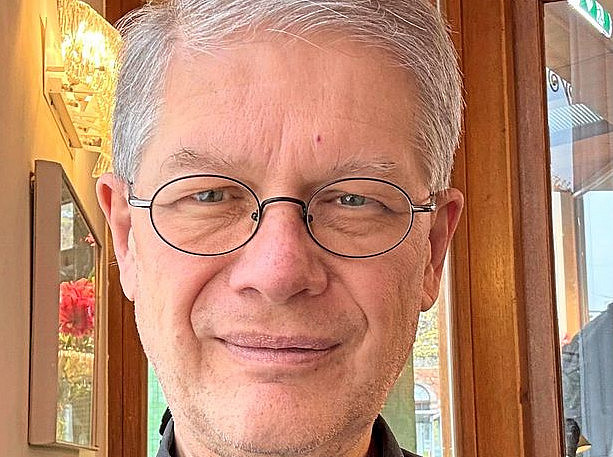
Portrait of Mr Arendasy
Martin Arendasy has developed a patented system with which certain test tasks of the Med-AT can be generated automatically.
private
STANDARD: An important part of the test, which accounts for 40 per cent of the total points, tests factual knowledge from subjects such as biology, chemistry, physics and maths. Don't you learn what you don't know from school during your studies anyway?
Arendasy: The first two years of the medical degree programme are mainly covered by pre-clinical content based on the school subjects mentioned. When there was no entrance test, many students dropped out of medical school at this stage. In order to prevent this, it is important to assess prior knowledge in the basic subjects relevant to medicine in the test - you can also recognise whether someone is motivated enough to acquire knowledge in these areas. Empirical analyses show that the knowledge block of the test makes a major contribution to the predictive power of study success - approximately to the same extent as the cognitive part ...
STANDARD: ... which also accounts for 40 per cent of the total points. For example, you have to draw logical conclusions, complete sequences of numbers and mentally put together spatial figures.
Arendasy: Yes, in principle it's like an intelligence test. Cognitive skills become increasingly important as you progress through your studies. In clinical practice, doctors have to make a lot of logical deductions in a short space of time, so these intelligence components have proven to be relevant.
STANDARD: The part in which social-emotional skills are tested only scores ten per cent of the points in the test. Politicians often criticise the fact that this weighting is too low.
Arendasy: From a scientific point of view, I have to say that the assessment of social-emotional skills hardly helps the validity of the test in terms of study ability. Our models suggest that a stronger weighting of this part would possibly even reduce the prognostic relevance of the test somewhat, which would be associated with a higher drop-out rate, for example.
STANDARD: Conversely: Scientifically speaking, could this part of the test be omitted altogether?
Arendasy: Some people probably don't want to hear that, but in terms of pure study ability, that is the case. Of course, it may be that a good score in the social-emotional questions is linked to favourable characteristics for clinical practice in the degree course. However, there is no clear empirical evidence of this in relation to academic performance.
STANDARD: According to the Institute for Advanced Studies, however, there is evidence that the medical admissions process harbours a social imbalance. Since its introduction, the proportion of students from non-academic backgrounds has fallen.
Arendasy: The problem of social selectivity is rooted much earlier in educational careers. Even in childhood, access to information is unequal, different opportunities for support and the school system play a major role here. Of course, the Med-AT cannot compensate for all of this, but it is fair to all social groups.
STANDARD: What do you mean by "fair" in this context?
Arendasy: The probability of achieving a certain score depends solely on the skills whose level is to be measured by the test. The same abilities therefore statistically lead to the same test results - regardless of gender, social class or other group characteristics. It is not easy to create a fair test, but we check it meticulously every year because this is essential for the social acceptance of the Med-AT.
STANDARD: Who actually writes the questions for the Med-AT?
Arendasy: The questions in the scientific knowledge section are written by the relevant experts at the Medical University of Graz. The cognitive tasks are produced fully automatically.
STANDARD: How is that possible?
Arendasy: I developed automatic item generators many years ago, which were even patented as a test design principle. That was a lot of work back then, but now we can use them to generate high-quality test items virtually at the touch of a button. If you like, these programmes are an earlier form of artificial intelligence. Recently, we have also been experimenting with modern AI in the form of large language models - but they are still far too unreliable in terms of quality for creating good test tasks.
STANDARD: What should people do to pass the Med-AT?
Arendasy: Careful preparation is highly advisable. You can prepare well for the science part in particular and thus take a lot of stress out of the situation. The medical universities provide high-quality preparation material free of charge.
STANDARD: This is obviously not enough for many, the private course industry around the Med-AT is flourishing. You have investigated whether this is of any use ...
Arendasy: The result was interesting: it is essentially irrelevant for performance whether applicants have only studied with the free or paid courses or whether they have opted for a mixture. The main thing is that they used some option to familiarise themselves intensively with the subject matter. Some simply feel subjectively better prepared if they have paid for an expensive course.
STANDARD: The test procedure takes eight hours in total - including breaks - and you sit in huge exhibition halls among thousands of competitors. Is that the last word in wisdom?
Arendasy: The setting is of course exhausting, and I admire every participant. But if we want a meaningful test that deals fairly with the huge crowds, we need a variety of subtasks and the appropriate time. Since a lot of sitting is required during the course of medical studies, you can definitely see this as a kind of test for later.
STANDARD: The government is thinking about favouring applicants who are involved in voluntary work in the future. What do you think of this?
Arendasy: I don't want to close myself off to the discussion, but I am very sceptical. How is this supposed to work in practice? With a quota for volunteers? According to recent research, that would probably result in lower academic performance. Or through arbitrary additional points that would hardly be compatible with the theoretically sophisticated points system? Ultimately, this measure would be all the more socially selective. To exaggerate: the doctor's son who can do an internship with his father in the surgery would have it easier than someone who has no time for a voluntary internship because the family can barely make ends meet otherwise. (Theo Anders, 4 July 2024)
Martin Arendasy (63) is Professor of Psychology at the University of Graz, specialising in psychological measurement methods. Since the beginning of 2013, he has been significantly involved in the conception, creation and scientific evaluation of the Medicine Admission Test (Med-AT) for public medical universities in Austria. His research work on the Med-AT, which is cited in the interview, is listed here.
Almost 12,400 people took part in the entrance test for medical studies on Friday. They applied for one of 1,900 places at the medical universities of Vienna, Innsbruck and Graz or at the Faculty of Medicine at the University of Linz. Expensive preparatory courses were not recommended. These would not improve the chances of gaining a place, emphasised Anita Rieder, Vice-Rector for Teaching at the Medical University of Vienna.
Originally, 15,668 people had registered for the written exam, which lasts around eight hours and is standardised throughout Austria. As in previous years, around 80 per cent actually took part in the test. The so-called MedAT primarily tests knowledge from subjects relevant to medicine (primarily biology, chemistry, physics, mathematics) and cognitive skills (including memory, recognising implications). Ten per cent of the result depends on the text comprehension part of the test, just as much on the recognising emotions and social decision-making part.
At least 95 per cent of study places in human medicine are reserved for EU citizens and 75 per cent for applicants with an Austrian school-leaving certificate. There is no such quota for dentistry.
No better chances after preparatory course
Attending expensive preparatory courses for the test was discouraged on Friday. "The data shows that preparation is everything, but a preparation course is not," emphasised Vice Rector Rieder at a press event shortly before the start of the test at Messe Wien. The university itself offers many preparation materials, there are programmes offered by the federal provinces and the Austrian National Union of Students (ÖH) is also very active in this area. Surveys have shown that around 30 per cent have attended a preparation course. However, this did not increase their chances of success.
This is also shown by studies carried out by psychology professor Martin Arendasy from the University of Graz, who was in charge of developing the MedAT and continues to supervise it. "In terms of performance, it is essentially irrelevant whether applicants have studied only with the free or only with the fee-based offers or whether they have opted for a mixture," he emphasised in the "Standard" (Friday edition).
The Federal Students' Union takes a different view: those who can afford expensive preparatory courses, private tutoring or months of studying have a clear advantage, criticised chairwoman Selina Wienerroither (Association of Socialist Students) in a press release. Therefore, "an expansion of existing capacities is needed to ensure socially equitable access".
More applications in Vienna and Linz
By far the most people interested in studying medicine at a public university have registered in Vienna this year, namely 7,729, which is 330 more than last year. This means that there are around ten applications for each of the 772 study places. According to Rieder in an interview with the APA, medicine is the absolute dream degree programme for a good half of the applicants. "But it's not the case that all 16,000 applicants absolutely want to become doctors," she said, referring to the nationwide figures.
The Faculty of Medicine at the University of Linz also registered more applicants than last year, with 2,084 people applying for one of the 320 study places. In Innsbruck, 3,238 have registered for the test, with 420 places available. In Graz, there are 2,617 applications for 388 places.
The effort involved in the admissions procedure is huge, with 100 employees and 400 students working on the test day in Vienna alone. According to Rieder, a good half of the applicants come from Vienna and a quarter from Lower Austria. Another trend: the proportion of applications from EU countries - especially Germany - is falling, from 20 per cent in the past to 15 per cent now.
In Innsbruck, Austrians in the majority again for the first time
The trend is similar at the Medical University of Innsbruck: "This year, for the first time, more applicants have applied from Austria than from EU countries," emphasised the Vice-Rector for Teaching and Student Affairs, Wolfgang Prodinger, at a press conference before the start of the admission procedure. A total of 3,238 people applied in Innsbruck, 321 of them for dentistry. Of the 2,917 fixed applications for human medicine, 1,513 were from the "Austrian contingent". 1,361 applications came from EU countries, above all from Germany with 1,230 people. However, it was unclear whether the Austrian applicants would actually outnumber the German ones: "On average, there is a no-show rate of around 25 per cent every year," says Prodinger.
This year, for the second time, up to 85 study places throughout Austria are "dedicated" to tasks in the public interest, with 34 at the Medical University of Vienna. Rieder reported a significant increase in interest, with 400 applications this time after 280 last year. Those applying for a "dedicated" study place must achieve a lower score in the test, but in return must work for a certain period of time after graduation at a public institution (Austrian Health Insurance Fund, Ministry of Defence, etc.), for example as a health insurance, hospital, military or official doctor.
In the previous year, not all dedicated places were utilised - some candidates did not achieve the required number of points, others were "too good" and qualified for a regular place. In these cases, the places were then filled with the next best test participants.
SüdtirolNews, Friday, 04 July 2025, by apa
The new Talent Center of the Bolzano Chamber of Commerce (South Tyrol) was officially opened on November 17. Among the attendees were WKO Director Karl-Heinz Dernoscheg, along with a wealth of white-green expertise. The Bolzano talent center was established as part of a comprehensive collaboration based on the successful Styrian model.
Since its inception in 2016, the Styrian Economic Chamber's talent center has set new standards. Over 36,000 young people have already received individual talent reports, providing guidance and assistance in navigating the challenging decisions related to training and career choices. This program was developed in collaboration with Karl-Franzens University at the highest scientific level and gained international acclaim. In 2019, the Talent Center was awarded "Best Education and Training Project" at the International Chamber of Commerce Congress in Brazil.
The next expansion step is currently underway. In collaboration with the Bolzano Chamber of Commerce, the existing Talent Center in Graz has been further developed, and a Talent Center, based on the Styrian model, has been established in Bolzano. The University of Graz and its counterpart in Bolzano, the Free University of Bolzano, have been and continue to be partners for both talent centers, ensuring scientific objectivity and keeping them aligned with the latest scientific standards. This collaboration reached a new pinnacle on November 17 at the opening of the new Talent Center in Bolzano, attended by the President of the Bolzano Chamber of Commerce, Michl Ebner, as well as South Tyrolean Provincial Councillors Daniel Alfreider, Philipp Achammer, and Giuliano Vettorato, WKO Styria Karl-Heinz Dernoscheg, and WIFI Institute Director Martin Neubauer.
"This collaboration is not only a significant leap forward for the young people in South Tyrol, but also a benefit for the youth in Styria. The enhanced testing procedure will enable them to make an even more targeted start to their professional future," explains Dernoscheg. South Tyrol takes pride in this facility, as emphasized by Michl Ebner, President of the Bolzano Chamber of Commerce: "The implementation of the Talent Center Bolzano is based on the proven model of the Talent Center in Graz. The realization of this new facility was only possible thanks to the intensive exchange of knowledge and the excellent cooperation between the two partners."
Seventy percent of young people in Styria receive a talent report. The continued demand for the Talent Check, recommended by the Styrian Education Directorate, is evident in the ongoing "rush" to the Talent Center. "We test almost two school classes every day, with over 7,300 registrations for the current 2023/24 school year. Additionally, we already have more than a thousand firm bookings for 2025. Almost 70 percent of Styrian pupils are already coming to the Talent Center in Graz," reports Neubauer and the Talent Center team in Graz. The talent check can be booked at talentcenter.at.
Head of Section
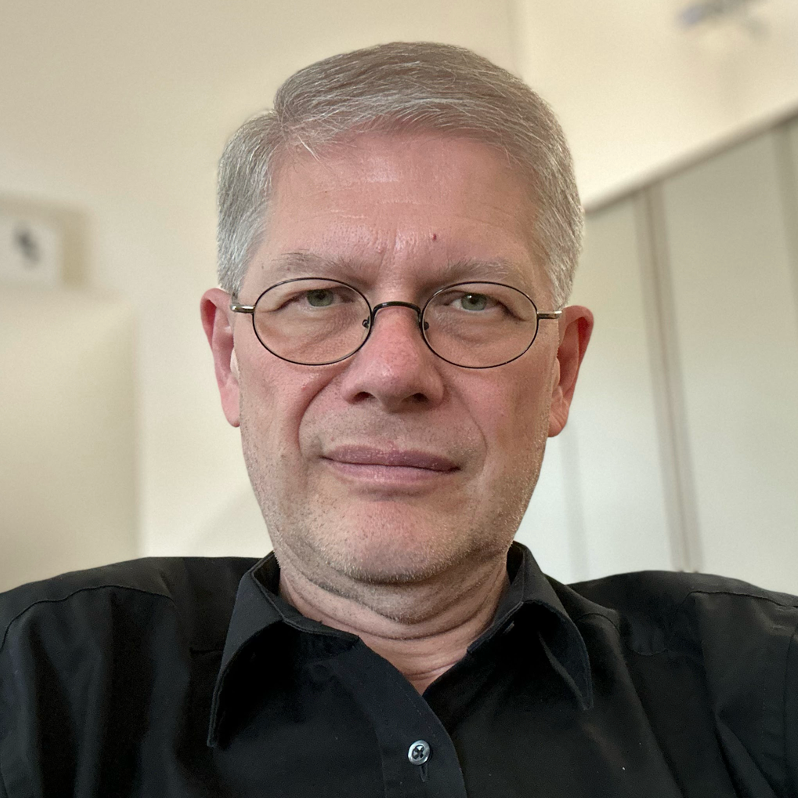
Univ.-Prof. Dr.phil. Mag.rer.nat. Martin Arendasy
Universitätsplatz 2, 8010 Graz
Room: 0002-EG-0084
Consultation hours:
(only after notification via e-mail to Christine Seuter-Bachler)
Office
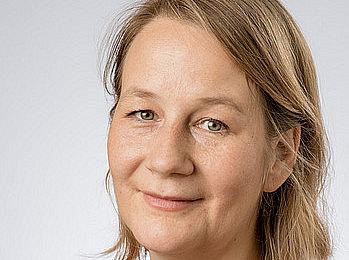
Mag.phil. Christine Seuter-Bachler
+43 316 380 - 3884
Universitätsplatz 2, 8010 Graz
Room: 0002-EG-0072
Office hours:
Wednesday: 13.00 - 15.00
Thursday & Friday: 08.00 - 15.00
Further (external) links/projects/publications/cooperations...
The online test platform of the department of psychological assessment and quantitative methods
Publications, psychological test procedures, item generators and patents from the department of psychological assessment and quantitative methods
AMS
Free University of Bozen/Bolzano
Bolzano Chamber of Commerce
LMU
Schuhfried
Talentcenter Graz & Bolzano
University of Vienna
WKO Styria & Austria